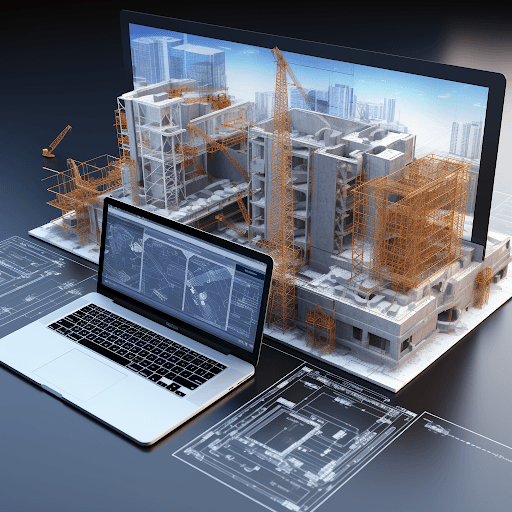
The construction job site is undergoing a digital transformation, driven by the growing adoption of modern Construction software. What was once a manual, paper-driven environment has evolved into a highly coordinated and data-enabled workspace. This shift is more than a trend—it’s a strategic advancement that’s reshaping how projects are managed, delivered, and scaled across the industry.
Modern construction software plays a pivotal role in improving efficiency, safety, and communication on-site. By digitizing essential processes such as scheduling, task assignments, material tracking, and documentation, these tools help reduce delays, minimize costly errors, and streamline day-to-day operations.
One of the most significant changes brought about by this software is real-time visibility. Project managers and field teams can access and update critical information from mobile devices or tablets directly on the job site. Whether it’s reviewing the latest project plans, submitting progress reports, or responding to change orders, everything happens in real time. This immediate access reduces miscommunication and allows teams to adapt swiftly to unexpected changes.
Construction software also enhances collaboration across all levels of a project. Site supervisors, subcontractors, and office teams can communicate through a centralized platform, ensuring that everyone is aligned on goals, timelines, and expectations. This unified approach not only boosts productivity but also fosters accountability, as every update and decision is logged and traceable.
Another area where job sites see substantial improvement is in safety and compliance. With digital checklists, incident reporting tools, and inspection management, teams can uphold safety standards more consistently. Software-enabled safety protocols reduce risk and support a more proactive approach to hazard prevention, helping organizations meet regulatory requirements and protect their workforce.
Inventory and equipment tracking have also become more efficient. By using software to monitor material deliveries and tool usage, project leaders can optimize resource allocation and reduce waste. This level of control helps prevent delays caused by shortages or misplacement of equipment.
The transformation doesn’t end when the project does. Data collected through the software provides valuable insights for future planning, helping firms refine their processes and improve long-term performance.
Modern construction software is not just changing how job sites function—it’s elevating the entire construction experience. By enabling faster decisions, clearer communication, and safer practices, these digital tools are empowering professionals to build smarter, safer, and more efficiently than ever before.